When HVAC business owners start thinking about a sale, they tend to focus on the financials: turnover, profit margins, contract values. Those are important, but they are not the only things a buyer will look at. At some point during the due diligence process, a buyer will physically inspect your fleet and equipment. What they find will shape their perception of how well the business has been run, and that perception directly influences the offer they make.
This is not about making everything look brand new. It is about demonstrating that the business is well managed, that assets are maintained, and that the buyer will not need to spend tens of thousands of pounds replacing vehicles and equipment in the first year of ownership.
Fleet: The Basics That Matter
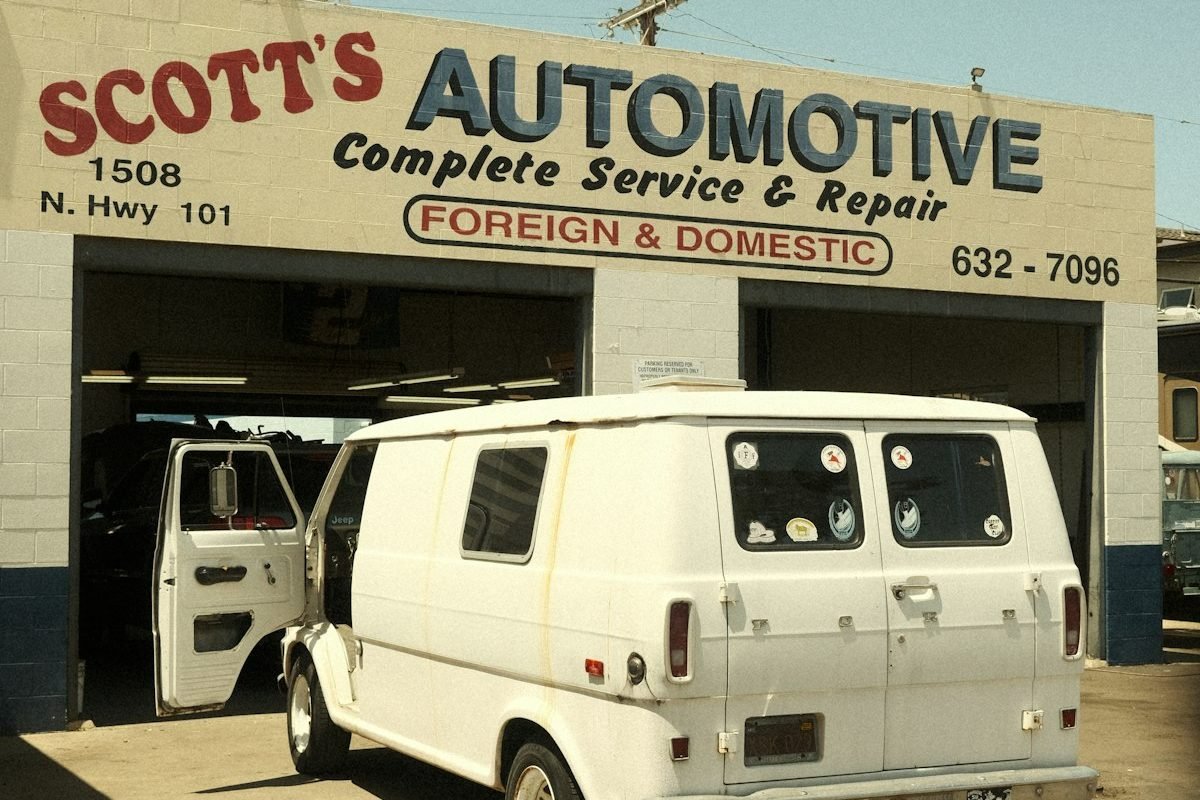
Your vans are the most visible part of your operation. They sit outside customers' properties. They are seen on the road every day. They carry your brand, and they are one of the first things a buyer will notice during a site visit.
MOT and service records. Every vehicle in the fleet should have a current MOT and be up to date with its service schedule. This is non-negotiable. Expired MOTs suggest that maintenance has been neglected, and a buyer will extrapolate from that. If the vans are not being serviced on time, what else has been left to slide?
Presentation. Clean your vehicles. Have them professionally valeted inside and out. Repair minor bodywork damage: dents, scratches, cracked wing mirrors. Replace worn or faded signage. These are relatively small costs that make a disproportionate difference to how the fleet is perceived. A tidy, branded fleet signals a business that cares about its image and its standards.
A buyer who arrives for a site visit and sees six clean, branded, well-maintained vans lined up in the yard forms a very different impression from one who sees a collection of tired, dented vehicles with peeling decals.
Replace vehicles beyond economic repair. If you have a van that is rusting through, has chronic mechanical issues, or is clearly past its useful life, deal with it before the sale process begins. Either replace it or remove it from the fleet. Having one poor vehicle in an otherwise good fleet drags down the overall perception.
Lease versus ownership. Know the status of every vehicle. Which ones are owned outright? Which are on finance or lease? What are the outstanding balances and remaining terms? A buyer will need this information during due diligence, and having it organised in advance demonstrates preparedness.
Equipment: HVAC-Specific Considerations
HVAC businesses carry specialist equipment that is expensive to replace and critical to operations. Buyers will assess the condition and completeness of your equipment as part of their physical due diligence.
Refrigerant Recovery and Handling
Refrigerant recovery units, manifold gauge sets, vacuum pumps, and electronic leak detectors are fundamental to F-Gas work. Ensure all equipment is in good working order, calibrated where applicable, and compliant with current F-Gas regulations. If your recovery unit is 15 years old and unreliable, replacing it before a sale is a worthwhile investment.
Diagnostic and Testing Equipment
Flue gas analysers, combustion analysers, and pressure testing equipment should be current and calibrated. Most of these instruments require regular calibration to remain accurate and compliant. If calibration certificates have lapsed, get them renewed. It is a small cost that removes a potential due diligence concern.
Heat Pump-Specific Tools
If your business installs heat pumps, ensure your heat loss calculation software, MCS-compliant design tools, and any heat pump-specific commissioning equipment are current and properly licensed. These tools demonstrate genuine capability, not just an MCS certificate on the wall.
General Equipment
PAT testing for portable electrical equipment should be up to date. Power tools, testing instruments, and any other electrical equipment used on site should have current PAT labels. Ladders and access equipment should be in good condition and compliant with relevant safety standards.
The Asset Register
One of the most useful things you can prepare before a sale is a comprehensive asset register. This is a single document, typically a spreadsheet, that lists every significant asset in the business.
For each vehicle, include: registration number, make and model, year of manufacture, mileage, MOT expiry date, service history status, ownership status (owned, leased, or financed), estimated current value, and any outstanding finance balance.
For equipment, include: description, manufacturer and model, serial number, purchase date, purchase price, current condition, calibration status and next due date, PAT test status and next due date, and estimated current value.
This register serves multiple purposes. It gives the buyer a clear picture of the physical assets they are acquiring. It demonstrates that you know exactly what you own and what condition it is in. And it speeds up the due diligence process, which is good for everyone. Buyers respond positively to sellers who are organised and prepared.
What Buyers Actually Check
During a physical site visit, which is standard in most HVAC business sales, buyers will typically look at the following.
- General condition and presentation of the fleet
- Whether the vans are consistently branded and well maintained
- Internal organisation of the vans (are they fitted out for HVAC work, or are tools thrown in the back?)
- Condition and completeness of specialist equipment
- Whether the workshop or storage area is organised and tidy
- Documentation: MOT certificates, service records, calibration certificates, PAT records
- Any items that will need replacing in the near term
They are not expecting perfection. They are looking for evidence of a business that is well run. A buyer who sees organised vans, clean equipment, and up-to-date records will have more confidence in the rest of the business, even the parts they cannot physically inspect.
Quick Wins Before a Sale
If you are planning to sell within the next 6 to 12 months, these are the highest-return actions you can take on fleet and equipment preparation.
- Professional valet of all vehicles, inside and out
- Minor bodywork repairs: dents, scratches, cracked glass
- Replace worn or faded vehicle signage
- Renew any lapsed MOTs, services, or calibration certificates
- Complete PAT testing for all portable electrical equipment
- Replace any equipment that is clearly past its useful life
- Create or update the asset register
- Organise the workshop or storage area
None of these steps are expensive relative to the value of the business, but collectively they send a powerful message about how the business has been managed. That message matters when a buyer is deciding what multiple to offer.
Getting Started
Fleet and equipment preparation is one part of a broader process of getting your HVAC business sale-ready. If you would like to understand what else buyers look for, and how to position your business for the best possible outcome, we are always happy to have a confidential conversation.